
TECHNICAL PROGRESS
The preliminary tests of compost hydrolysis have been started by employing an old reactor (LIFECAB prototype) as a contingency plan due to delays in the construction of the LIFEEBP prototype. Furthermore, the BP and IR separation and drying system is currently being tested and optimized by HST and ACEA.
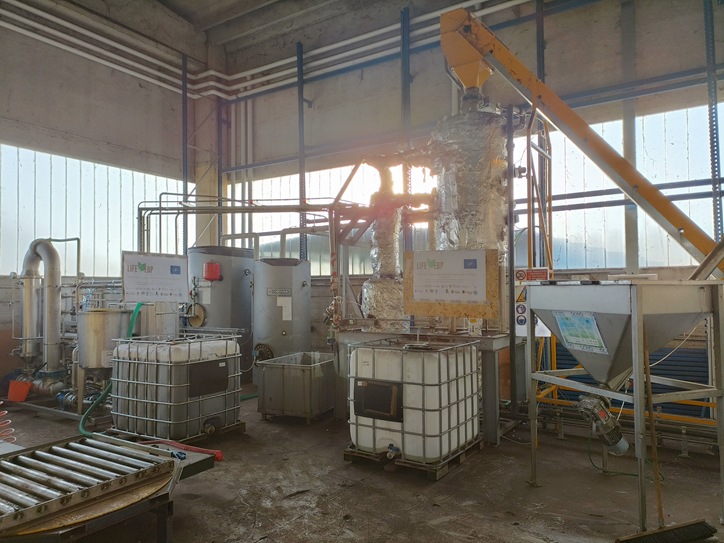
In these tests, the sludge in PIV-024 of ACEA plant was employed as raw material with water and KOH in order to reach the optimal conditions for the hydrolysis process. The process is being carried out at 90 °C and a pH equal to 13 to produce 1 m3 of hydrolyzed product per batch. The obtained product is being characterized by partners to determine its suitability for the aims of the project.
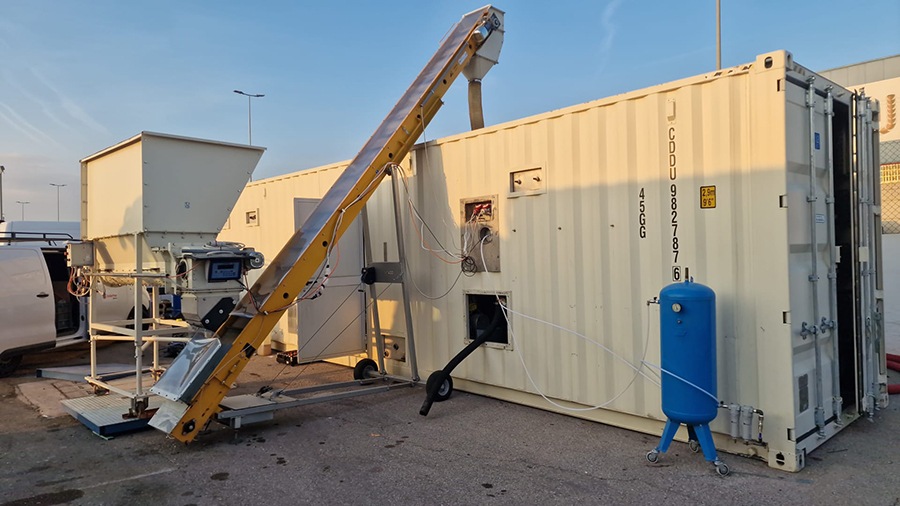
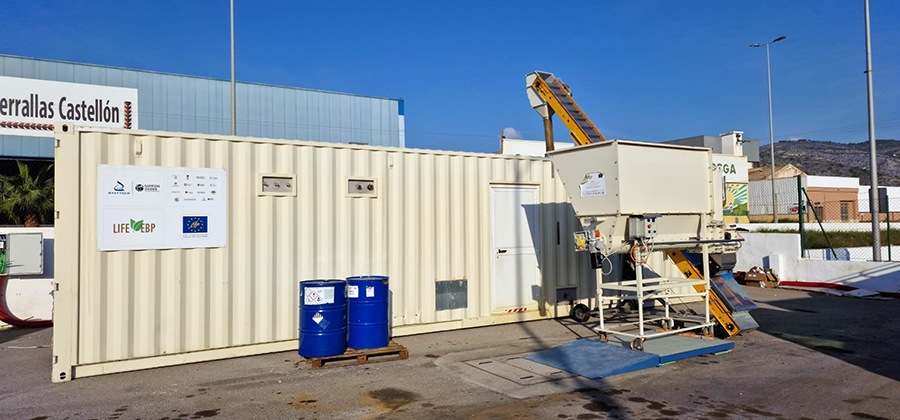
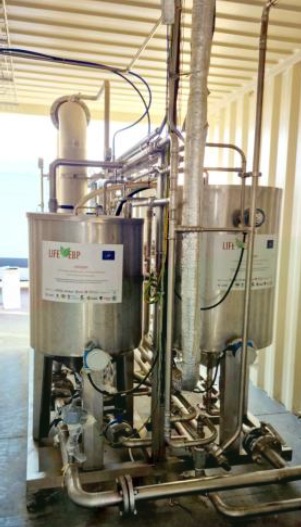
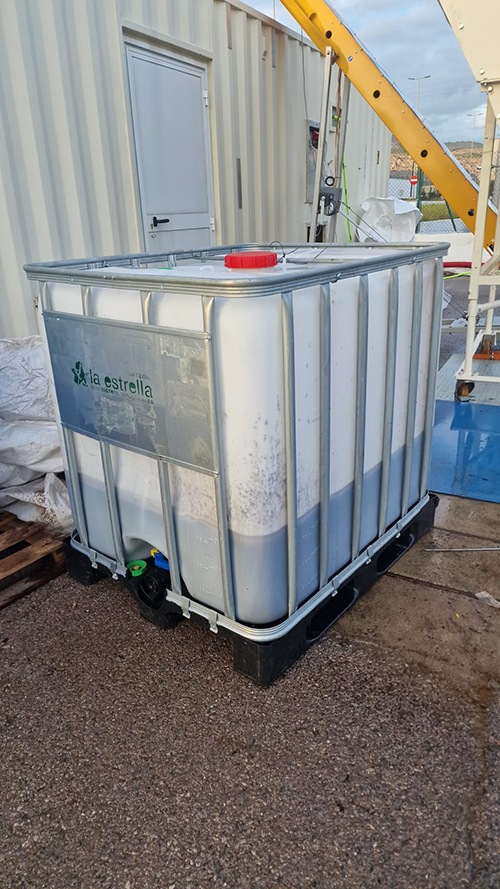
The prototype tested during this campaign is shown in the following figure:
The product obtained from the hydrolysis process contains a high content of inorganic residue (IR) and high pH, that could compromise the BP performance in different applications.
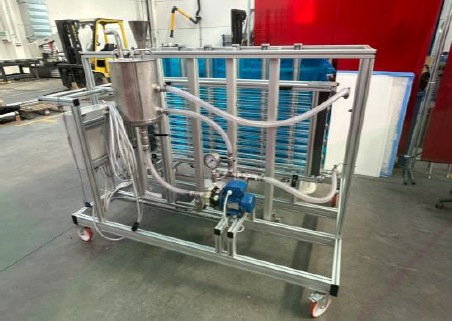
Therefore, a membrane separation method is applied: it consists of two modules, Microfiltration (MF -0.5µm) and Ultrafiltration (UF -5kDa). The hydrolyzed product is fed to the MF for IR removal.
The permeated from the MF is fed to the UF, where the BP is retained by the membrane, while OH-and small ions such as K+pass through it, thus, reducing the pH and IR concentration in the BP.
After the optimization of the membrane process, the hydrolyzed MBW is dried employing the Comber Shell Turbo dry. This dryer is capable to remove up to 0.7 m3/day of water from the BPs. The process was optimized at HST premises, before delivering it to ACEA premises.
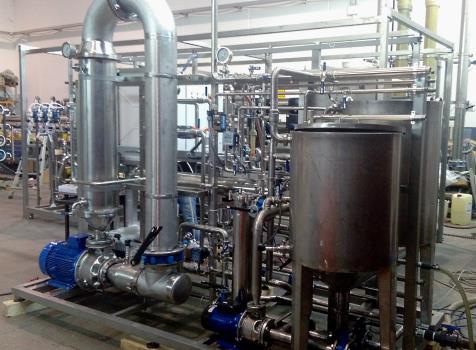
The product obtained from the hydrolysis process contains a high content of inorganic residue (IR) and high pH, that could compromise the BP performance in different applications.
Therefore, a membrane separation method is applied: it consists of two modules, Microfiltration (MF -0.5µm) and Ultrafiltration (UF -5kDa). The hydrolyzed product is fed to the MF for IR removal.
The permeated from the MF is fed to the UF, where the BP is retained by the membrane, while OH-and small ions such as K+pass through it, thus, reducing the pH and IR concentration in the BP.
After the optimization of the membrane process, the hydrolyzed MBW is dried employing the Comber Shell Turbo dry. This dryer is capable to remove up to 0.7 m3/day of water from the BPs. The process was optimized at HST premises, before delivering it to ACEA premises.
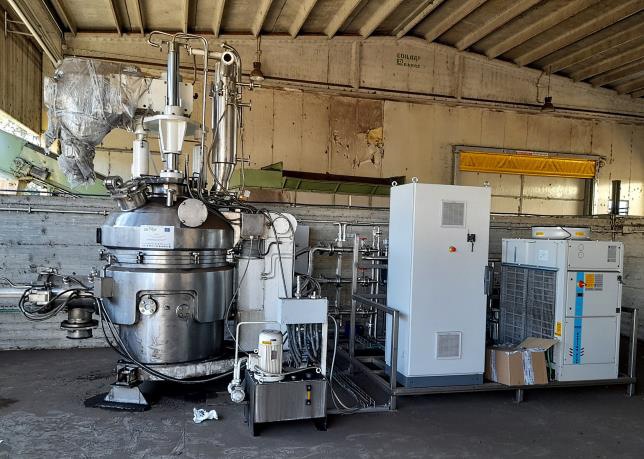
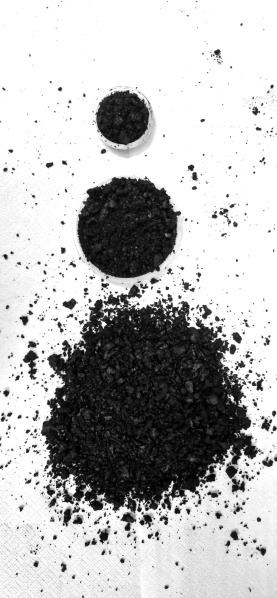
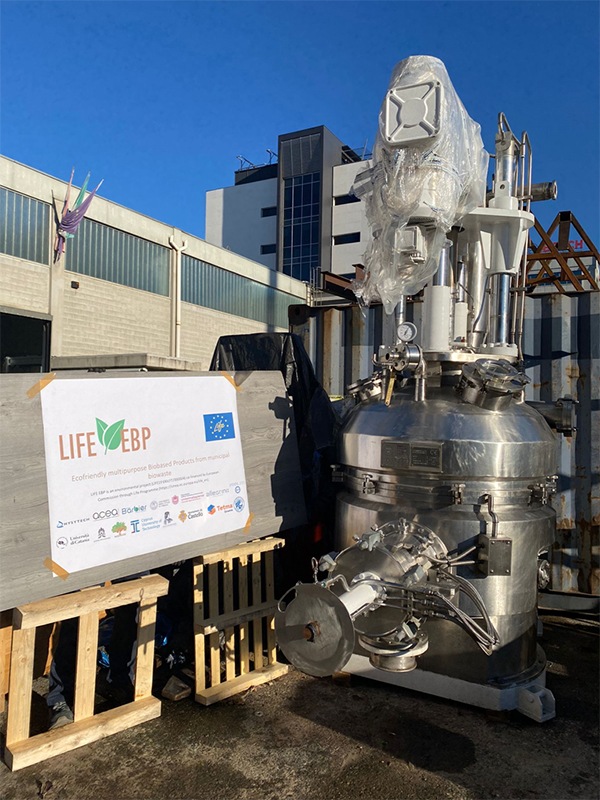
The prototype has been installed and commissioned at ACEA to produce BPs with the compost from SBLA, VM, BPE, and TETMA for their application in the agriculture field trials.
The dry BPs produced at ACEA were tested in the agricultural trials in Italy, Spain, Greece and Cyprus, giving interesting results that are being analysed through Lyfe Cycle to quantify the project impact.
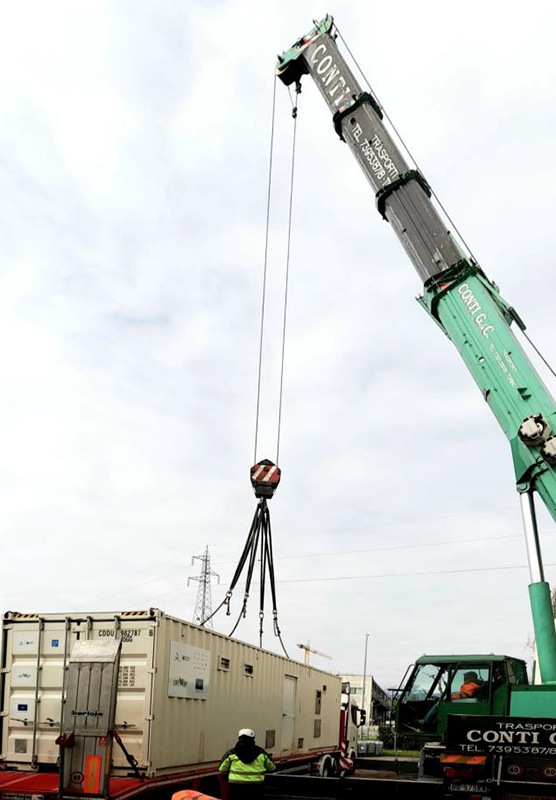
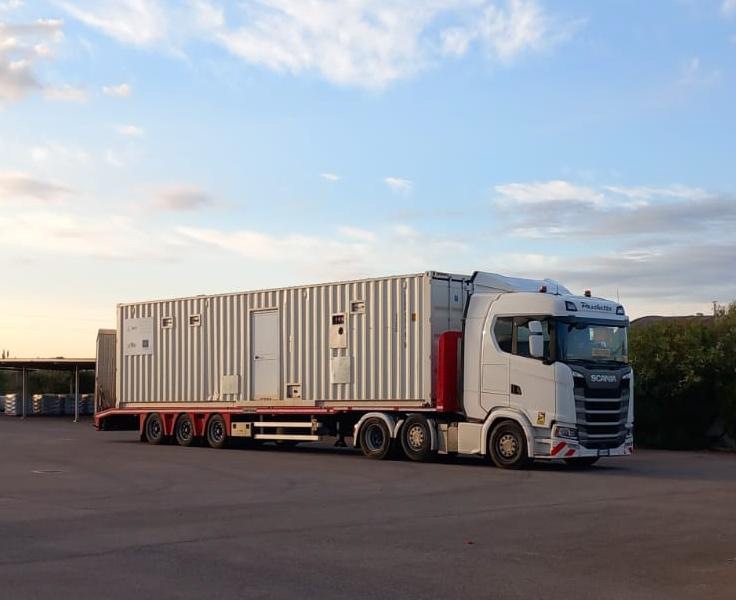
The new Mobile Prototype (MP) was manufactured and installed at the ACEA Pinerolese site. The preliminary tests were successfully completed, and the production of BPs was started in October 2023. In November 2023, HST trained partners from Spain and Cyprus for the operation of the prototype.
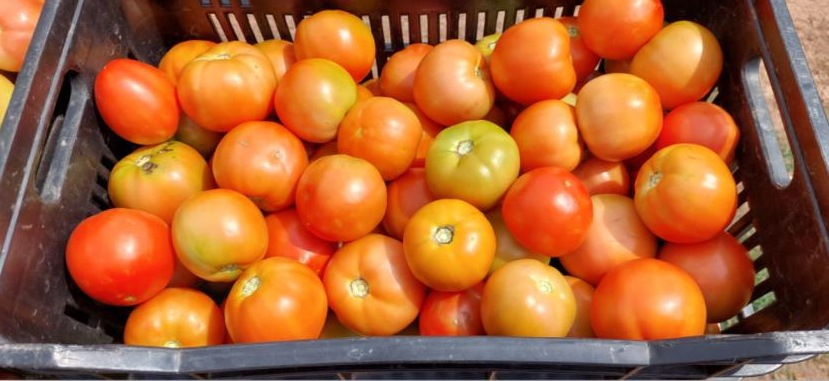
The agriculture trials with the BPs produced within the project from the ACEA compost were carried out: the results indicate competitive performance against traditional fertilizers and bio-stimulants.
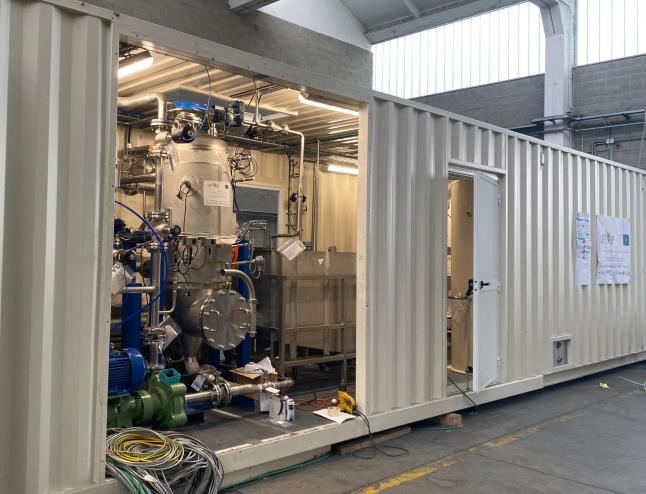
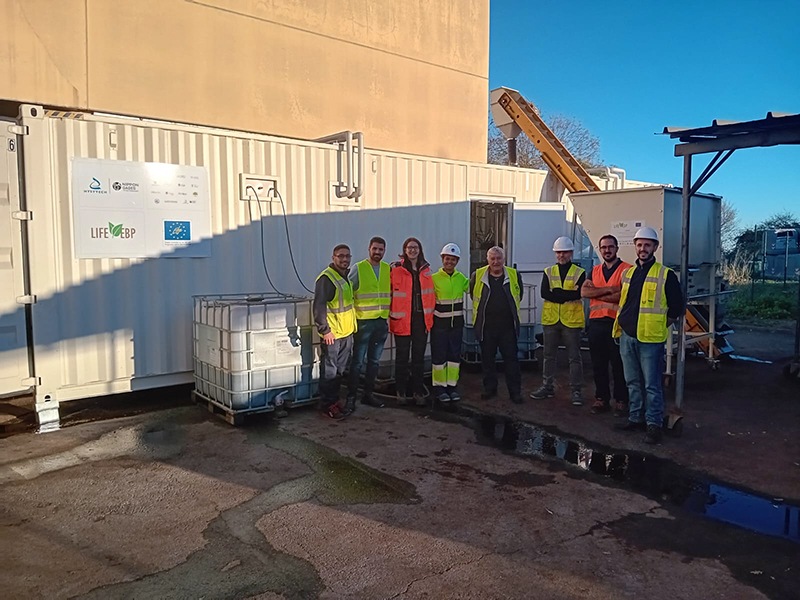
The MP prototype has produced BPs at ACEA for agricultural trials using compost from Cyprus, Greece, Spain, and Italy. This product is being validated in these countries, positively impacting the environment due to mineral fertilizers substitution.
The FORSUD BPs production and the validation preliminary tests in surfactants and bioplastics also started.
UNITELMA leads the product registration as humic extract, as suggested by the product specifications and performance of Compost BP.
The test bench developed by Hysytech for the photooxidation of the hydrolyzed BP has been commissioned at their premises. The preliminary results from the experimental campaign are promising, with the clarification of the product validating its potential use in surfactant products. Further tests will be conducted to tune the BP properties in the next period.
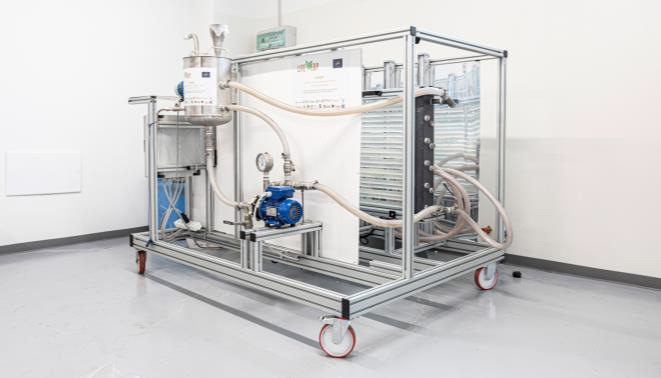
ACEA continued the production of BP from digested sludge for use in bioplastics and surfactants for testing at Barbier and Allegrini premises.
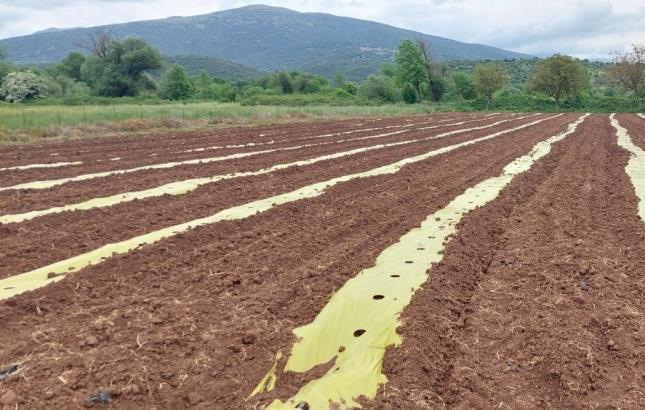
Promising BPs from the MP were used to produce mulch films and car wash surfactants by Barbier and Allegrini, respectively. Good mechanics in films; biodegradation tests and field trials planned for crop yield studies. Further BP improvements needed, especially on colour, for wider application in surfactants.
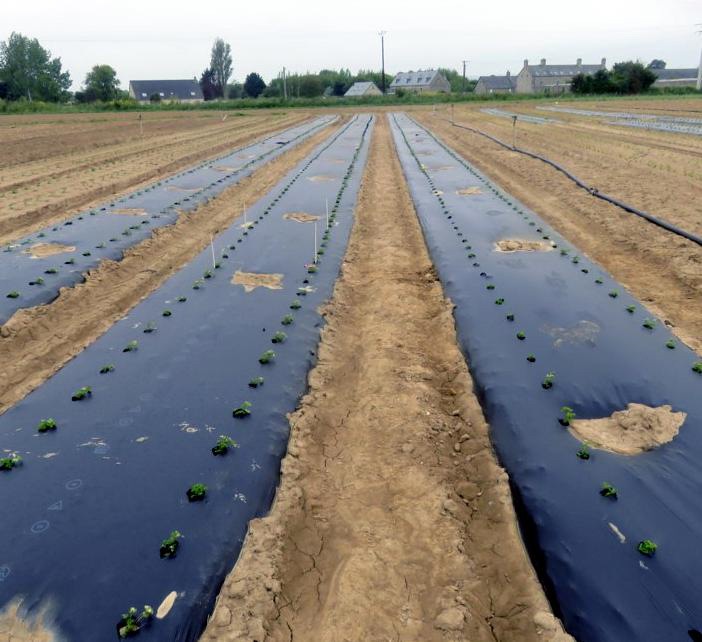
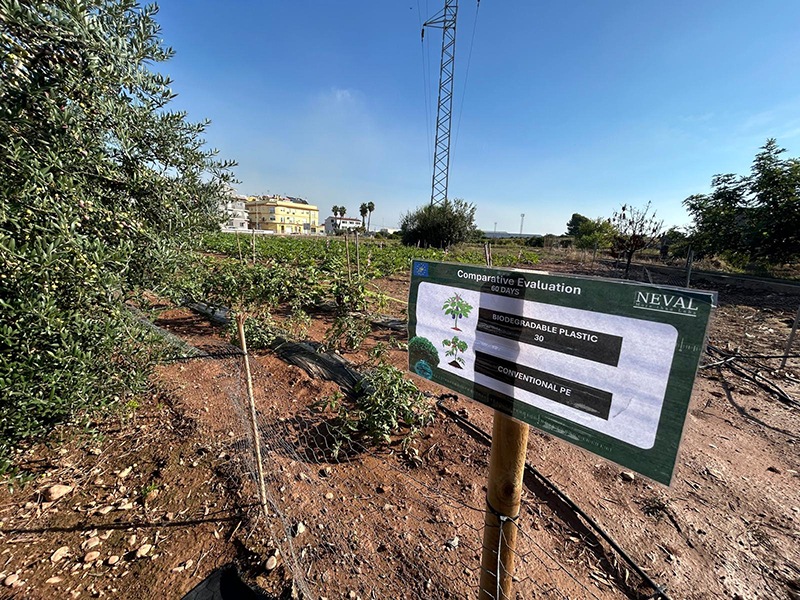
Biodegradable mulch films have been tested in crop fields. These trials assessed real-field performance.
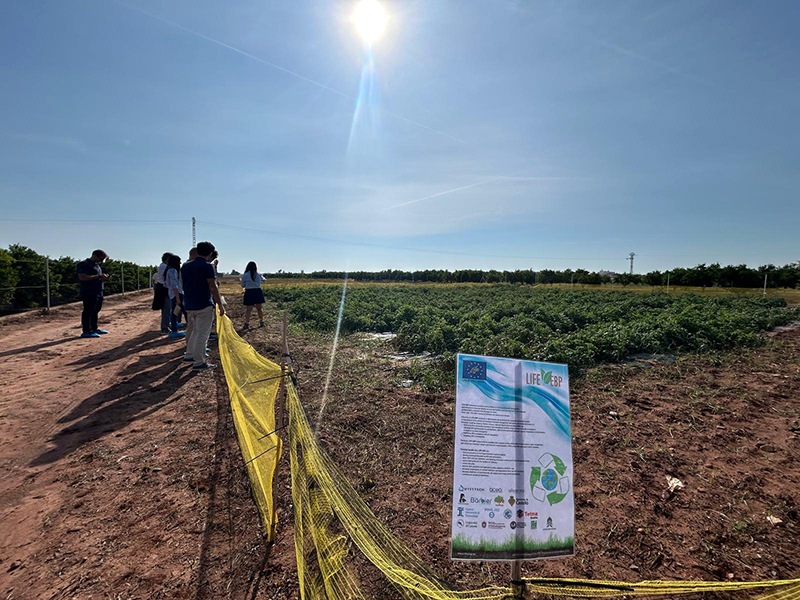
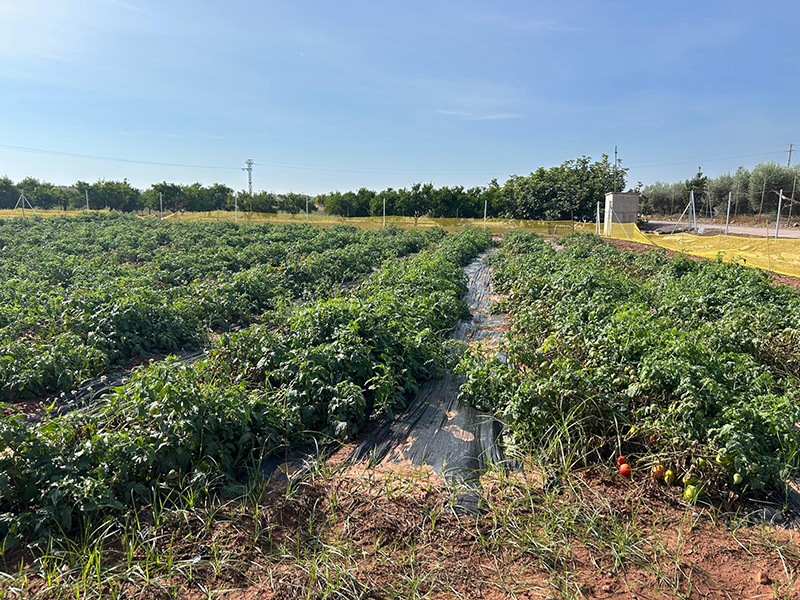
Meanwhile, the MP unit has been removed from the ACEA site and revamped at HST. It has been relocated to Spain for a new demo campaign at TETMA’s facilities, in collaboration with BPE and AUA, to support further BP production and application testing.
The product obtained and validated in the first production campaigns was registered in Italy by ACEA.